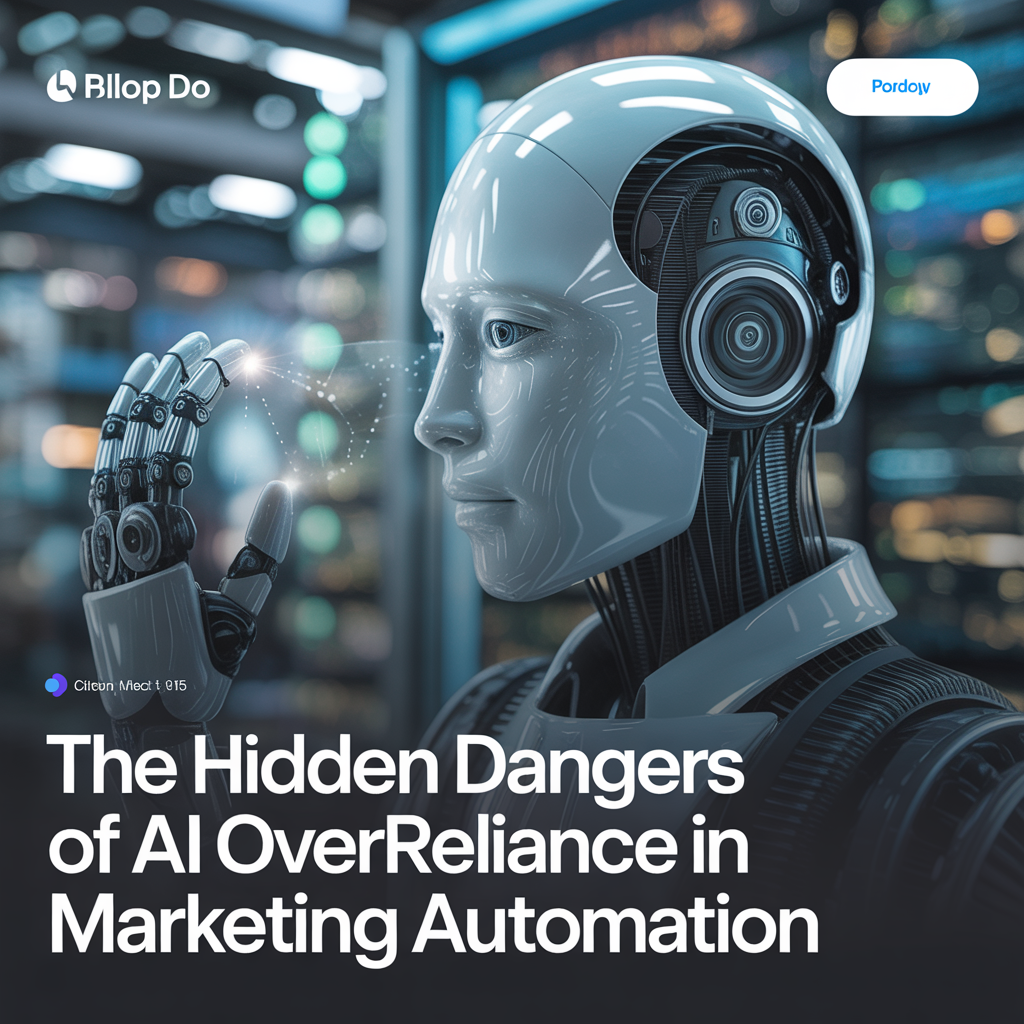
In an age where artificial intelligence (AI) seems to be the answer to everything, marketers are increasingly turning to AI-powered tools to streamline their processes and boost efficiency. But what if this overreliance on AI is actually holding us back? Let's explore why taking a step back from AI might be the key to unlocking your marketing ROI's true potential.
The AI Addiction in Marketing
The Allure of Automation
It's easy to see why marketers have fallen head over heels for AI. With promises of increased efficiency, data-driven insights, and personalized customer experiences, AI tools have become the shiny new toys in the marketing playground.
When AI Becomes a Crutch
However, as with any powerful tool, there's a fine line between use and abuse. Many marketers have become so dependent on AI that they've forgotten the human touch that makes marketing truly effective.
The Hidden Costs of AI Overreliance
Loss of Creativity
While AI can crunch numbers and analyze trends, it can't replace human creativity. Overreliance on AI can lead to formulaic, uninspired campaigns that fail to capture your audience's imagination.
Lack of Emotional Intelligence
AI may be intelligent, but it lacks emotional intelligence. It can't understand the nuances of human emotion or the cultural context that often drives purchasing decisions.
Data Tunnel Vision
With AI's ability to process vast amounts of data, it's easy to get lost in the numbers and forget about the real people behind them. This can lead to tone-deaf marketing that misses the mark.
Why Human-Centric Marketing Still Matters
The Power of Intuition
Sometimes, the best marketing decisions come from gut feelings and years of experience – things that AI can't replicate.
Building Genuine Connections
At its core, marketing is about building relationships. AI can facilitate connections, but it can't forge the deep, emotional bonds that truly loyal customers crave.
Adapting to Rapid Changes
While AI models need time to learn and adapt, human marketers can pivot quickly in response to sudden market shifts or cultural changes.
Striking the Right Balance: AI as a Tool, Not a Replacement
Identifying AI's Strengths
AI excels at tasks like data analysis, content optimization, and campaign scheduling. Use it for these purposes to free up your team's time for more strategic work.
Leveraging Human Expertise
Encourage your team to use their uniquely human skills – creativity, empathy, and strategic thinking – to complement AI's capabilities.
Continuous Learning and Adaptation
Instead of relying solely on AI-generated insights, create a culture of continuous learning where your team stays up-to-date with industry trends and consumer behavior.
Real-World Success Stories
Case Study: The Handcrafted Campaign
One mid-sized fashion retailer saw a 30% increase in engagement after scaling back their AI-driven social media strategy in favor of more authentic, human-created content.
The Personal Touch Experiment
A B2B software company boosted their conversion rates by 25% when they replaced their AI chatbot with a small team of highly trained customer service representatives.
Practical Steps to Reduce AI Dependence
Audit Your AI Usage
Take stock of where you're using AI in your marketing processes. Are there areas where human input could add more value?
Invest in Team Development
Allocate resources to upskill your team in areas like creative thinking, customer psychology, and strategic planning.
Create AI-Free Zones
Designate certain marketing activities or campaigns as AI-free zones to encourage creative thinking and human-driven strategies.
Measuring Success Beyond the Numbers
Qualitative Feedback Matters
Don't just rely on AI-generated metrics. Gather qualitative feedback from customers to understand the emotional impact of your marketing efforts.
Long-Term Brand Health
Consider how your marketing strategies affect long-term brand health and customer loyalty, not just short-term conversions.
Employee Satisfaction and Growth
Happy, engaged employees often lead to better marketing outcomes. Measure how reducing AI dependence impacts team morale and professional growth.
The Future of Marketing: Human-AI Collaboration
AI as an Enhancer, Not a Replacement
The future of marketing lies not in AI domination, but in thoughtful collaboration between human marketers and AI tools.
Ethical Considerations
As AI becomes more advanced, it's crucial to consider the ethical implications of its use in marketing and maintain human oversight.
Continuous Evaluation and Adjustment
Regularly assess the balance between AI and human input in your marketing strategies